Musca domestica: Difference between revisions
No edit summary |
No edit summary |
||
| Line 7: | Line 7: | ||
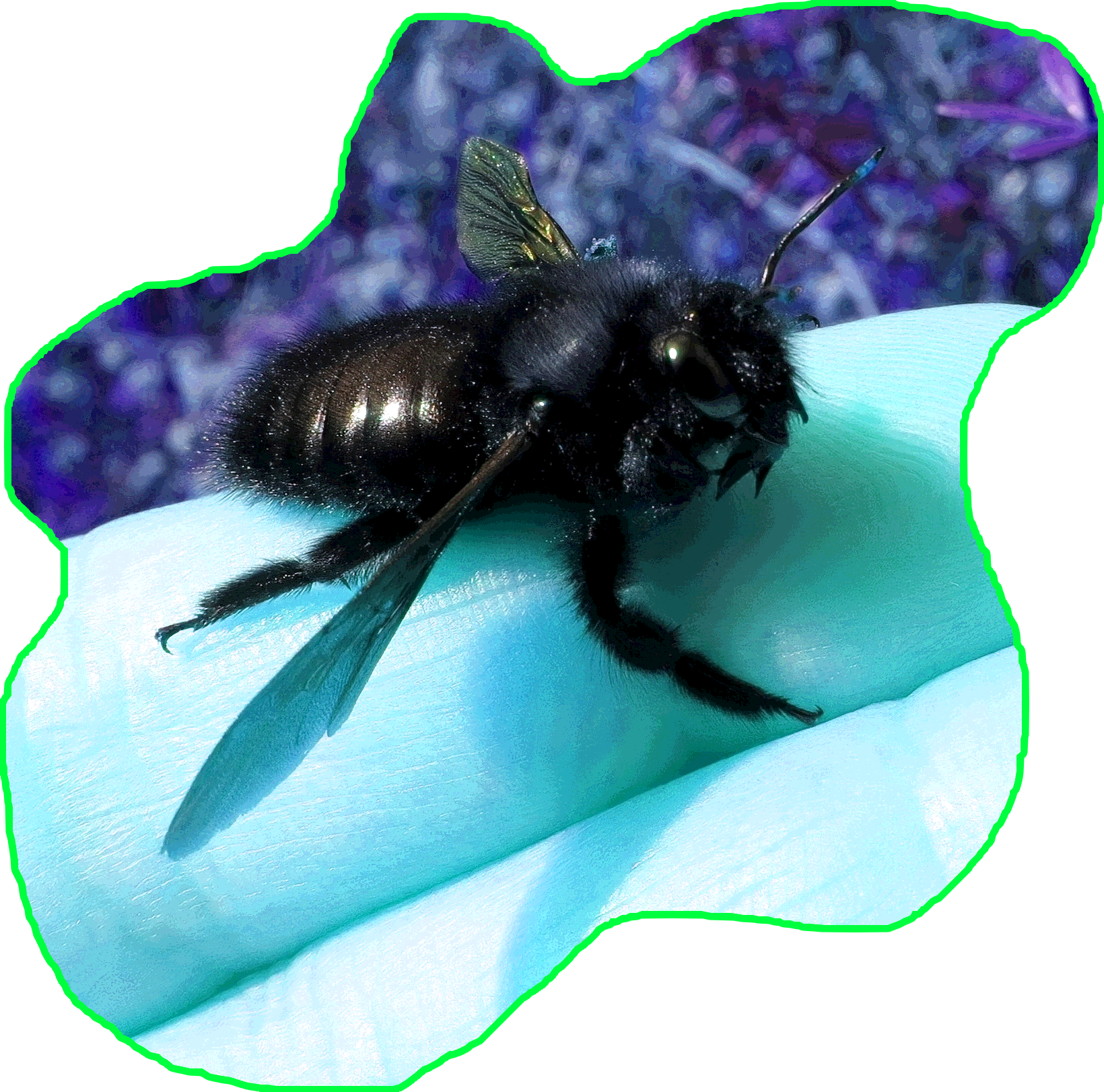
The <b>Common House Fly</b> (German: <b>Stubenfliege</b>) is not as common as you may think. There are many flies who like to hang out in apartments, such as the very large <i>[[Calliphora vicina]]</i>. The Common House Fly is only around 7mm in length, has a beige to yellow abdomen, red eyes and very few hair on its body. If the fly you are trying to identify is completely black, blue or dark green or very furry, it is not a Common House Fly. | The <b>Common House Fly</b> (German: <b>Stubenfliege</b>) is not as common as you may think. There are many flies who like to hang out in apartments, such as the very large <i>[[Calliphora vicina]]</i>. The Common House Fly is only around 7mm in length, has a beige to yellow abdomen, red eyes and very few hair on its body. If the fly you are trying to identify is completely black, blue or dark green or very furry, it is not a Common House Fly. | ||
Much like other flies of its family, <i>Musca domestica</i> feeds on all sorts of food scraps. Once it lays its up to 100 eggs on food sources such as cat or dog food, uncovered meats and fish or rotting vegetables and fruit, it takes the larvae about one day to hatch and another two to five days to pupate. The adult fly hatches after about one week and lives for one to two weeks, repeating the life cycle. In that way, uncovered foods and cadavers can cause a fly infestation within two weeks. This is the point where this fly becomes <i>very</i> common in your household. | Much like other flies of its family, <i>Musca domestica</i> feeds on all sorts of food scraps. Once it lays its up to 100 eggs on food sources such as cat or dog food, uncovered meats and fish or rotting vegetables and fruit, it takes the larvae about one day to hatch and another two to five days to pupate. The adult fly hatches after about one week and lives for about one and up to two weeks, repeating the life cycle. In that way, uncovered foods and cadavers can cause a fly infestation within two weeks. This is the point where this fly becomes <i>very</i> common in your household. | ||
<br> | <br> | ||
<br> | <br> | ||
Revision as of 12:50, 11 June 2026
This page is all up-to-date. No further observations.
About

The Common House Fly (German: Stubenfliege) is not as common as you may think. There are many flies who like to hang out in apartments, such as the very large Calliphora vicina. The Common House Fly is only around 7mm in length, has a beige to yellow abdomen, red eyes and very few hair on its body. If the fly you are trying to identify is completely black, blue or dark green or very furry, it is not a Common House Fly.
Much like other flies of its family, Musca domestica feeds on all sorts of food scraps. Once it lays its up to 100 eggs on food sources such as cat or dog food, uncovered meats and fish or rotting vegetables and fruit, it takes the larvae about one day to hatch and another two to five days to pupate. The adult fly hatches after about one week and lives for about one and up to two weeks, repeating the life cycle. In that way, uncovered foods and cadavers can cause a fly infestation within two weeks. This is the point where this fly becomes very common in your household.
William Blake
"The Fly"
Little Fly
Thy summers play,
My thoughtless hand
Has brush'd away.
Am not I
A fly like thee?
Or art not thou
A man like me?
For I dance
And drink & sing:
Till some blind hand
Shall brush my wing.
If thought is life
And strength & breath:
And the want
Of thought is death;
Then am I
A happy fly,
If I live,
Or if I die.
"Songs of Experience" (1794)[1]